La mano sporca – Mark Strand

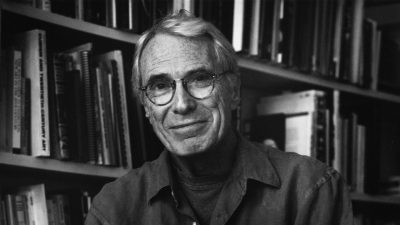
Foto di Timothy Greenfield


La mia mano è sporca.
Devo amputarla.
Lavarla non ha senso.
L’acqua è putrida.
Il sapone è pessimo.
Non fa schiuma.
La mano è sporca.
Da anni è sporca.

La tenevo di solito
lontano dagli occhi,
nelle tasche dei calzoni.
Nessuno sospettava nulla.

La gente mi si avvicinava,
voleva darmi la mano.
Io mi rifiutavo
e la mano nascosta,
come un lumacone buio,
mi lasciava il segno
sulla coscia.
E poi mi resi conto
che usarla o non usarla
era lo stesso.
Il disgusto era lo stesso.

Ah! Quante notti
nelle profondità della casa
ho lavato quella mano,
l’ho strofinata, lustrata,
ho sognato che diventasse
diamante o cristallo
o soltanto, alla fine,
una mano bianca, normale,
la mano pulita di un uomo,
che si può stringere,
o baciare, o tenere
in uno dei momenti
in cui due persone si confessano
senza dire una parola…
con l’unico risultato
che la mano incurabile,
letargica, crostacea,
continua a schiudere dita sporche.
E lo sporco era ripugnante.
Non era fango o fuliggine
né il lerciume spesso
di una vecchia crosta
né il sudore
della camicia di un lavoratore.
Era uno sporco dolente
fatto di malattia
e angoscia umana.
Non era nero;
il nero è puro.
Era opaco,
uno sporco grigiastro e opaco.

È impossibile
vivere con questa
mano nauseabonda che giace
sulla tavola.
Svelto! Mozzala!
Falla a pezzi
e buttala
a mare.
Con il tempo, con la speranza
e i suoi complicati ingranaggi,
un’altra mano arriverà,
pura, trasparente come vetro,
e mi si attaccherà al polso.

Mark Strand

(Traduzione di Damiano Abeni con Moira Egan)

da “Motivi per muoversi”, 1968, in “Mark Strand, Tutte le poesie”, Mondadori, 2019

∗∗∗

The dirty hand

My hand is dirty.
I must cut it off.
To wash it is pointless.
The water is putrid.
The soap is bad.
It won’t lather.
The hand is dirty.
It’s been dirty for years.

I used to keep it
out of sight,
in my pants pocket.
No one suspected a thing.

People came up to me,
wanting to shake hands.
I would refuse
and the hidden hand,
like a dark slug,
would leave its imprint
on my thigh.
And then I realized
it was the same
if I used it or not.
Disgust was the same.

Ah! How many nights
in the depths of the house
I washed that hand,
scrubbed it, polished it,
dreamed it would turn
to diamond or crystal
or even, at last,
into a plain white hand,
the clean hand of a man,
that you could shake,
or kiss, or hold
in one of those moments
when two people confess
without saying a word . . .
Only to have
the incurable hand,
lethargic and crablike,
open its dirty fingers.
And the dirt was vile.
It was not mud or soot
or the caked filth
of an old scab
or the sweat
of a laborer’s shirt.
It was a sad dirt
made of sickness
and human anguish.
It was not black;
black is pure.
It was dull,
a dull grayish dirt.

It is impossible
to live with this
gross hand that lies
on the table.
Quick! Cut it off!
Chop it to pieces
and throw it
into the ocean.
With time, with hope
and its intricate workings
another hand will come,
pure, transparent as glass,
and fasten itself to my arm.

Mark Strand

da “Reasons for Moving”, 1968, in “Collected Poems”, New York, Alfred A. Knopf/ Random House, 2014

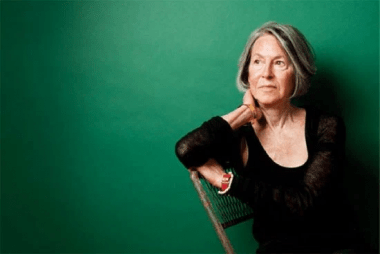
Parabola – Louise Glück

Louise Glück


Prima di spogliarci dei beni mondani, come insegna san Francesco,
affinché le nostre anime non siano distratte
da perdite e guadagni e affinché inoltre
i nostri corpi siano liberi di muoversi
facilmente ai passi di montagna, dovevamo quindi discutere
come o verso dove viaggiare, con la seconda domanda
dovremmo avere uno scopo, contro il quale
molti di noi hanno sostenuto ferocemente che tale scopo
corrispondeva a beni mondani, intendendo una limitazione o costrizione,
mentre altri dicevano che con questa parola siamo stati consacrati
pellegrini piuttosto che vagabondi: nella nostra mente, la parola tradotta come
un sogno, un qualcosa di ricercato, in modo che concentrandoci possiamo vederla
scintillante tra le pietre, e non
passare alla cieca; ogni
ulteriore questione l’abbiamo discussa in modo altrettanto completo, andando avanti e indietro su ogni argomento,
così siamo cresciuti, dicevano alcuni, meno flessibili e più rassegnati,
come soldati in una guerra inutile. E la neve cadde su di noi e il vento soffiò,
e col tempo si placò: dov’era la neve apparvero molti fiori,
e dove le stelle avevano brillato, il sole sorse oltre la linea degli alberi
in modo che avessimo di nuovo le ombre; è accaduto molte volte.
Inoltre pioggia, talvolta anche allagamenti, anche valanghe, in cui
alcuni di noi si erano persi, e periodicamente ci sembrava
di aver raggiunto un accordo, abbiamo issato sulle spalle
le nostre vivande; ma quel momento passava sempre, così
(dopo molti anni) eravamo ancora in quella prima fase, ancora
preparandoci a iniziare un viaggio, ma ci aveva cambiati;
lo potremmo vedere l’uno nell’altro; tuttavia eravamo cambiati
senza esserci mossi, e uno ha detto, ah, guarda come siamo invecchiati, viaggiando
solo dal giorno alla notte, né in avanti né di lato, e questo sembrava
strano miracoloso. E quelli che credevano dovessimo avere uno scopo
credevano che questo fosse lo scopo e quelli che sentivano dover rimanere liberi
per incontrare la verità sentivano che era stata rivelata.

Louise Glück

(TRADUZIONE DI MARCELLO COMITINI)
ALTRE POESIE DI LOUISE GLÜCK TRADOTTE DA MARCELLO COMITINI

∗∗∗

Parable

First divesting ourselves of worldly goods, as St. Francis teaches,
in order that our souls not be distracted
by gain and loss, and in order also
that our bodies be free to move
easily at the mountain passes, we had then to discuss
whither or where we might travel, with the second question being
should we have a purpose, against which
many of us argued fiercely that such purpose
corresponded to worldly goods, meaning a limitation or constriction,
whereas others said it was by this word we were consecrated
pilgrims rather than wanderers: in our minds, the word translated as
a dream, a something-sought, so that by concentrating we might see it
glimmering among the stones, and not
pass blindly by; each
further issue we debated equally fully, the arguments going back and forth,
so that we grew, some said, less flexible and more resigned,
like soldiers in a useless war. And snow fell upon us, and wind blew,
which in time abated—where the snow had been, many flowers appeared,
and where the stars had shone, the sun rose over the tree line
so that we had shadows again; many times this happened.
Also rain, also flooding sometimes, also avalanches, in which
some of us were lost, and periodically we would seem
to have achieved an agreement, our canteens
hoisted upon our shoulders; but always that moment passed, so
(after many years) we were still at that first stage, still
preparing to begin a journey, but we were changed nevertheless;
we could see this in one another; we had changed although
we never moved, and one said, ah, behold how we have aged, traveling
from day to night only, neither forward nor sideward, and this seemed
in a strange way miraculous. And those who believed we should have a purpose
believed this was the purpose, and those who felt we must remain free
in order to encounter truth felt it had been revealed.

Louise Glück

da “Faithful and Virtuous Night”, Farrar, Straus and Giroux, 2014

Mangiare poesia – Mark Strand

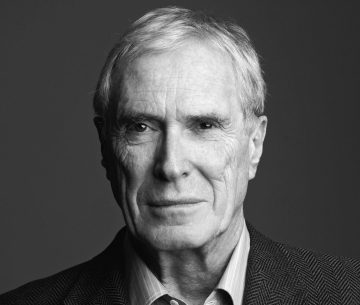
Foto di Chris Felver


Mi cola inchiostro dagli angoli della bocca.
Non c’è contentezza come la mia.
Ho mangiato poesia.

La bibliotecaria pensa di avere le traveggole.
Ha gli occhi afflitti
e cammina con le mani tra le pieghe del vestito.

Le poesie sono svanite.
La luce è fioca.
I cani sono sulle scale della scantina e salgono.

Roteano gli occhi,
le zampe bionde bruciano come stoppie.
La povera bibliotecaria comincia a battere i piedi e piange.

Non capisce.
Quando mi inginocchio e le lecco la mano,
urla.

Sono un uomo nuovo.
Le ringhio contro e abbaio.
Faccio le feste felice nel buio libresco.

Mark Strand

(Traduzione di Damiano Abeni)

da “Motivi per muoverci”, 1968, in “L’uomo che cammina un passo avanti al buio”, Mondadori, Milano, 2011

∗∗∗

Eating Poetry

 Ink runs from the corners of my mouth.
There is no happiness like mine.
I have been eating poetry.

The librarian does not believe what she sees.
Her eyes are sad
and she walks with her hands in her dress.

The poems are gone.
The light is dim.
The dogs are on the basement stairs and coming up.

Their eyeballs roll,
their blond legs burn like brush.
The poor librarian begins to stamp her feet and weep.

She does not understand.
When I get on my knees and lick her hand,
she screams.

I am a new man.
I snarl at her and bark.
I romp with joy in the bookish dark.

Mark Strand

da “Reasons for Moving”, 1968, Atheneum, 1977

Herbert Marshall – Edgar Lee Masters

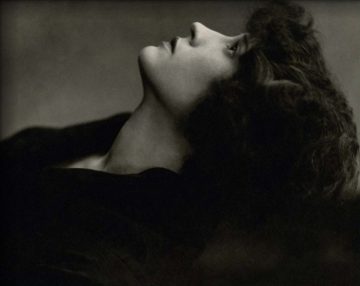
Edward Steichen, Helen Menken, January 1926


Tutto il tuo dolore, Louise, e il tuo odio per me
nacquero dalla tua illusione, che fosse leggerezza
di spirito e disprezzo dei diritti della tua anima
ciò che mi fece volgere ad Annabella e abbandonarti.
In realtà tu prendesti ad odiarmi per amor mio,
poiché io ero la gioia della tua anima,
formato e temprato
per risolverti la vita, e non volli.
Ma tu eri la mia disgrazia. Se tu fossi stata
la mia gioia, non mi sarei forse attaccato a te?
Questo è il dolore della vita:
che si può essere felici solo in due;
e i nostri cuori rispondono a stelle
che non voglion saperne di noi.

Edgar Lee Masters

(Traduzione di Fernanda Pivano)

da “Spoon River Anthology”, Einaudi Editore, 1943

***

Herbert Marshall

All your sorrow, Louise, and hatred of me
Sprang from your delusion that it was wantonness
Of spirit and contempt of your soul’s rights
Which made me turn to Annabelle and forsake you.
You really grew to hate me for love of me,
Because I was your soul’s happiness,
Formed and tempered
To solve your life for you, and would not.
But you were my misery. If you had been
My happiness would I not have clung to you?
This is life’s sorrow:
That one can be happy only where two are;
And that our hearts are drawn to stars
Which want us not.

Edgar Lee Masters

da “Spoon River Anthology”, Mc Millan Company, New York, 1916

Storia di un giorno – Louise Glück

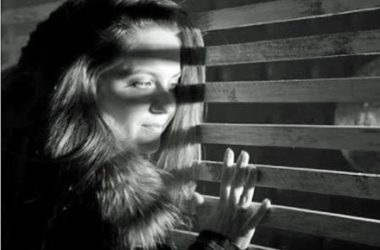
Immagine dal web

1.

Sono stata svegliata stamattina come al solito
dalle sottili lame di luce che passano attraverso le persiane
cosicché il mio primo pensiero fu che la natura della luce
era incompletezza —

Immaginavo la luce così com’era prima che le persiane la fermassero —
quanto frustrata dovesse essere, come una mente
offuscata da troppe droghe.

2.

Mi sono ritrovata subito
al mio tavolo angusto; alla mia destra,
i resti di un piccolo pasto.

Il linguaggio mi riempiva la testa, euforia selvaggia
alternata a profonda disperazione —

Ma se l’essenza del tempo è il cambiamento,
come può qualcosa diventare niente?
Questa è stata la domanda che mi sono posta.

3.

Per tutta la notte rimasi seduta al mio tavolo a meditare
finché la mia testa si fece così pesante e vuota
che sono stata costretta a sdraiarmi.
Ma non mi sono sdraiata. Invece, ho appoggiato la testa sulle braccia
che avevo incrociato davanti a me sul legno nudo.
Come una neonata in un nido, la mia testa
giaceva sulle mie braccia.

Era la stagione secca.
Ho sentito l’orologio suonare, tre, poi quattro –

A questo punto ho iniziato a camminare per la stanza
e poco dopo fuori per le strade
le cui curve e tornanti mi erano familiari
per altre notti come questa. Ho camminato torno torno
imitando istintivamente le lancette dell’orologio.
Le mie scarpe, quando guardavo in basso, erano ricoperte di polvere.

Ormai la luna e le stelle erano svanite.
Ma l’orologio brillava ancora nel campanile della chiesa —

4.

Così sono tornata a casa.
Sono rimasta a lungo
Sul pianerottolo dove finivano le scale,
rifiutandomi di aprire la porta.

Il sole stava sorgendo.
L’aria era diventata pesante,
non perché avesse maggiore sostanza
ma perché non c’era più niente da respirare.

Ho chiuso gli occhi.
Ero combattuta tra una struttura di opposizioni
e una struttura narrativa

5.

La stanza era come l’avevo lasciata.
C’era il letto nell’angolo.
C’era il tavolo sotto la finestra.

C’era la luce che sbatteva contro la finestra
finché non ho alzato le persiane
a quel punto si è redistribuita
come tremolio tra gli alberi ombrosi.

Louise Glück

(TRADUZIONE DI MARCELLO COMITINI)
ALTRE POESIE DI LOUISE GLÜCK TRADOTTE DA MARCELLO COMITINI

∗∗∗

The story of a day

1.

I was awakened this morning as usual
by the narrow bars of light coming through the blinds
so that my first thought was that the nature of light
was incompleteness—

I pictured the light as it existed before the blinds stopped it—
how thwarted it must be, like a mind
dulled by too many drugs.

2.

I soon found myself
at my narrow table; to my right,
the remains of a small meal.

Language was filling my head, wild exhilaration
alternated with profound despair—

But if the essence of time is change,
how can anything become nothing?
This was the question I asked myself.

3.

Long into the night I sat brooding at my table
until my head was so heavy and empty
I was compelled to lie down.
But I did not lie down. Instead, I rested my head on my arms
which I had crossed in front of me on the bare wood.
Like a fledgling in a nest, my head
lay on my arms.

It was the dry season.
I heard the clock tolling, three, then four—

I began at this point to pace the room
and shortly afterward the streets outside
whose turns and windings were familiar to me
from nights like this. Around and around I walked,
instinctively imitating the hands of the clock.
My shoes, when I looked down, were covered with dust.

By now the moon and stars had faded.
But the clock was still glowing in the church tower—

4.

Thus I returned home.
I stood a long time
on the stoop where the stairs ended,
refusing to unlock the door.

The sun was rising.
The air had become heavy,
not because it had greater substance
but because there was nothing left to breathe.

I closed my eyes.
I was torn between a structure of oppositions
and a narrative structure—

5.

The room was as I left it.
There was the bed in the corner.
There was the table under the window.

There was the light battering itself against the window
until I raised the blinds
at which point it was redistributed
as flickering among the shade trees.

Louise Glück

da “Faithful and Virtuous Night”, Farrar, Straus and Giroux, 2014