La finestra aperta – Louise Glück

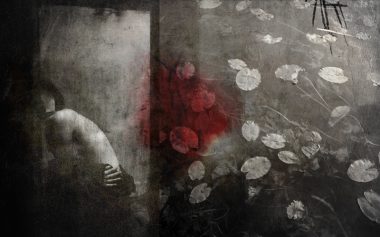
Foto di Marcello Comitini


Uno scrittore anziano aveva preso l’abitudine di scrivere la parola FINE su un pezzo di carta prima di iniziare i suoi racconti, dopo di che raccoglieva una pila di pagine, particolarmente sottili in inverno quando la luce del giorno era breve, e relativamente spesse in estate quando il suo pensiero diventava di nuovo sciolto e associativo, espansivo come il pensiero di un giovane. Indipendentemente dal loro numero, metteva queste pagine bianche sull’ultima, coprendola. Solo allora la storia gli sarebbe giunta, casta e raffinata d’inverno, più libera d’estate. Con questi sistemi era diventato un maestro riconosciuto.

Lavorava di preferenza in una stanza senza orologi, confidando che la luce gli dicesse quando la giornata era finita. In estate, gli piaceva la finestra aperta. Come può, d’estate, entrare nella stanza il vento invernale? Hai ragione, gridò al vento, questo è quello che mi è mancato, questa risolutezza e repentinità, questa sorpresa — Oh, se potessi farlo sarei un dio! E giaceva sul pavimento freddo dello studio a guardare il vento che agitava le pagine, mescolando le scritte e le bianche, tra loro la fine.

Louise Glück

(TRADUZIONE DI MARCELLO COMITINI)
ALTRE POESIE DI LOUISE GLÜCK TRADOTTE DA MARCELLO COMITINI

∗∗∗

The open window 

An elderly writer had formed the habit of writing the words THE END on a piece of paper before he began his stories, after which he would gather a stack of pages, typically thin in winter when the daylight was brief, and comparatively dense in summer when his thought became again loose and associative, expansive like the thought of a young man. Regardless of their number, he would place these blank pages over the last, thus obscuring it. Only then would the story come to him, chaste and refined in winter, more free in summer. By these means he had become an acknowledged master.

He worked by preference in a room without clocks, trusting the light to tell him when the day was finished. In summer, he liked the window open. How then, in summer, did the winter wind enter the room? You are right, he cried out to the wind, this is what I have lacked, this decisiveness and abruptness, this surprise—O, if I could do this I would be a god! And he lay on the cold floor of the study watching the wind stirring the pages, mixing the written and unwritten, the end among them.

Louise Glück

da “Faithful and Virtuous Night”, Farrar, Straus and Giroux, 2014

«Ancora non l’ho detto al mio giardino –» – Emily Dickinson

Foto di Katia Chausheva

[50]

Ancora non l’ho detto al mio giardino –
perché mi potrebbe sopraffare.
Non ho certo la forza a questo punto
di rivelarlo all’ape –

Non ne farò parola per la strada
stupirebbe le botteghe che io –
quella cosí ignorante – cosí timida
abbia la sfrontatezza di morire.

Non devono saperlo le colline –
dove ho vagato tanto –
e non ditelo alle foreste devote
il giorno in cui dovrò andare –

né si sussurri a tavola –
né si accenni sbadatamente
per la via che oggi una entrerà
dentro l’enigma –

Emily Dickinson

(Traduzione di Silvia Bre)

da “Questa parola fidata”, Einaudi, Torino, 2019

∗∗∗

[50]

«I hav’nt told my garden yet –»

I hav’nt told my garden yet –
Lest that should conquer me.
I hav’nt quite the strength now
To break it to the Bee –

I will not name it in the street
For shops w’d stare at me –
That one so shy – so ignorant
Should have the face to die.

The hillsides must not know it –
Where I have rambled so –
Nor tell the loving forests
The day that I shall go –

Nor lisp it at the table –
Nor heedless by the way
Hint that within the Riddle
One will walk today –

Emily Dickinson

da “The Poems of Emily Dickinson”, a cura di Thomas H. Johnson, The Belknap Press of Harvard University Press, Cambridge (Mass.), 1955

George Gray – Edgar Lee Masters

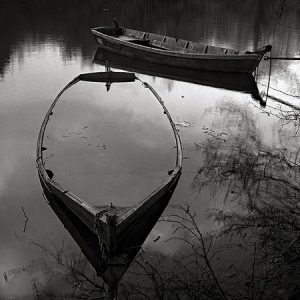
Foto di Gérard Laurenceau


Molte volte ho studiato
la lapide che mi hanno scolpito:
una barca con vele ammainate, in un porto.
In realtà non è questa la mia destinazione
ma la mia vita.
Perché l’amore mi si offrí e io mi ritrassi dal suo inganno;
il dolore bussò alla mia porta, e io ebbi paura;
l’ambizione mi chiamò, ma io temetti gli imprevisti.
Malgrado tutto avevo fame di un significato nella vita.
E adesso so che bisogna alzare le vele
e prendere i venti del destino,
dovunque spingano la barca.
Dare un senso alla vita può condurre alla follia
ma una vita senza senso è la tortura
dell’inquietudine e del vano desiderio —
è una barca che anela al mare eppure lo teme.

Edgar Lee Masters

(Traduzione di Fernanda Pivano)

da “Spoon River Anthology”, Einaudi Editore, 1943

∗∗∗

George Gray 

I have studied many times
The marble which was chiseled for me —
A boat with a furled sail at rest in a harbor.
In truth it pictures not my destination
But my life.
For love was offered me and I shrank from its disillusionment;
Sorrow knocked at my door, but I was afraid;
Ambition called to me, but I dreaded the chances.
Yet all the while I hungered for meaning in my life.
And now I know that we must lift the sail
And catch the winds of destiny
Wherever they drive the boat.
To put meaning in one’s life may end in madness,
But life without meaning is the torture
Of restlessness and vague desire —
It is a boat longing for the sea and yet afraid.

Edgar Lee Masters

da “Spoon River Anthology”, Mc Millan Company, New York, 1916

La serie bianca – Louise Glück

Lucio Fontana, Concetto Spaziale. Attese, 1965-1966


Un giorno segue senza sosta l’altro.
L’inverno è passato. Le luci di Natale si abbassarono
insieme alle stelle malandate
infilzate nelle varie vie dello shopping.
Carri di fiori apparvero sui marciapiedi bagnati,
le ceste di metallo pieni di cotogni e anemoni.

La fine andava e veniva.
O dovrei dire, a intervalli la fine si avvicinava;
sono passata attraverso di lei come un aereo passa attraverso una nuvola.
Dall’altro lato, l’insegna libero brillava ancora sopra la toilette.

Mia zia è morta. Mio fratello si è trasferito in America.

Sul mio polso, il quadrante dell’orologio luccicava nella falsa oscurità
(veniva proiettato un film).
Questa era la sua caratteristica speciale, una sorta di pulsazione bluastra
che ha reso i numeri di facile lettura, anche in assenza di luce.
Principesco, ho sempre pensato.

Eppure l’avanzare sereno della lancetta delle ore
non rappresentava più la mia percezione del tempo
che era diventato un senso di immobilità
espresso come movimento su grandi distanze.

La mano si mosse;
le dodici, mentre guardavo, rimasero sempre quelle.

In effetti il tempo era ormai l’ambiente in cui
ero contenuta con i miei compagni di viaggio,
come il neonato è contenuto nella sua robusta culla
o, per allungare il succo, come il nascituro
sguazza nel grembo materno.

Fuori dal grembo, la terra era scomparsa;
Potevo vedere bagliori di fulmini colpire l’ala.

Quando i miei soldi finirono,
sono andata a vivere per un po’
in una piccola casa sulla proprietà di mio fratello
nello stato del Montana.

Sono arrivata col buio;
all’aeroporto, i miei bagagli erano andati smarriti.

Mi sembrava di essermi mossa
non orizzontalmente ma piuttosto da un punto molto basso
a qualcosa di molto alto,
forse ancora nell’aria.

In effetti, il Montana era come la luna –
Mio fratello ha guidato con sicurezza sulla strada ghiacciata,
di tanto in tanto fermandosi a indicare
qualche rara costruzione.

Stavamo, per lo più, in silenzio.
Mi venne in mente che avevamo ripreso
le posizioni dell’infanzia,
le nostre gambe si toccavano, il volante
ora sostituiva il libro.

Eppure, nel senso più profondo, erano intercambiabili:
mio fratello non sempre aveva guidato,
se stesso e me, fuori dalla nostra squallida camera da letto
in una notte di rocce e laghi
punteggiata di spade che spuntavano qua e là –

Il cielo era nero. La terra era bianca e fredda.

Ho visto la notte svanire. Sopra il bianco della neve
il sole è sorto, tingendo la neve di uno strano colore rosato.

Poi siamo arrivati.
Restammo un po’ nella fredda sala, aspettando che ci riscaldassimo.
Mio fratello ha annotato la mia lista della spesa.
Sul viso di mio fratello
ondate di tristezza alternate a ondate di gioia.

Ho pensato, ovviamente, alla casa in Cornovaglia.
Le mucche, la monotona musica estiva delle campane –

Ho provato, come si può immaginare, un istante di puro terrore.

E poi mi sono ritrovata sola.
Il giorno successivo sono arrivate le mie valigie.

Ho disfatto le mie poche cose.
La fotografia dei miei genitori il giorno del loro matrimonio
a cui avevo aggiunto
una fotografia di mia zia nella sua giovinezza fallita, un souvenir
da lei amato e che mi aveva passato.

Oltre a questi, solo articoli da toeletta e farmaci,
insieme alla mia piccola collezione di abiti invernali.

Mio fratello mi ha portato libri e riviste.
Mi ha insegnato varie tecniche del nuovo mondo
di cui presto non avrei avuto più bisogno.

Eppure questo era per me il nuovo mondo:
non c’era nulla e non doveva succedere nulla.
La neve è caduta. Certi pomeriggi,
ho dato lezioni di disegno alla moglie di mio fratello.

Ad un certo punto ho ripreso a dipingere.

Impossibile formarsi
un qualsiasi giudizio sul valore dell’opera.
Basti dire che i dipinti erano
immensi e interamente bianchi. La vernice era spessa
e applicata con grandi pennellate irregolari –

Campi di bianco e squarci, bagliori
di blu, l’azzurro del cielo occidentale,
o quello che io stessa ho chiamato
quadrante blu. Mi parlava di un altro mondo.

Ho guidato la mia gente, diceva,
nel deserto
dove saranno purificati.

La moglie di mio fratello rimaneva affascinata.
A volte veniva mio nipote
(presto sarebbe diventato il mio compagno di vita).
Vedo, lei diceva, il volto di un bambino.

Intendeva, penso, quei sentimenti emanati dalla superficie,
sentimenti di impotenza o desolazione –

Fuori cadeva la neve.
Ero stata, mi sentivo, accettata nella sua quiete.
E allo stesso tempo, ogni tocco era una decisione,
non una decisione consapevole, ma comunque una decisione,
come quando, ad esempio, l’assassino preme il grilletto.

Questo, sta dicendo. Questo è quello che intendo fare.
O forse, cosa devo fare.
Oppure questo è tutto quello che posso fare.
Qui, credo, finisce l’analogia
in una marea di giudizi morali.

Dopo, immagino, non ricorda nulla.
Allo stesso modo, non posso dire esattamente
come sono nati questi dipinti, anche se alla fine
ce n’erano molti, difficili da spedire a casa.

Quando sono tornata, Harry era con me.
È, credo, un ragazzo gentile
con un gusto per la vita domestica.
In effetti, ha imparato a cucinare da solo
nonostante l’esigenze del suo piano di studi.

Andiamo d’accordo. Spesso canta mentre fa il suo lavoro.
Così mia madre cantava (o, più probabilmente, così ha riferito mia zia).
Chiedo, spesso, qualche brano particolare a cui sono legata,
e lui lo impara. È, come ho detto,
un ragazzo premuroso. Le colline sono vive, canta,
ancora ed ancora. E a volte, nei miei stati d’animo più bui,
il Jacques Brel che mi ha stregata.

Il piccolo gatto è morto, nel senso, suppongo,
d’ultima speranza.*

Il gatto è morto, canta Harry,
sarà inutile senza il suo corpo.
Questo, nella voce di Harry, è profondamente rilassante.

A volte la sua voce trema, come per una grande emozione,
e poi per un po’ le colline sono vive copre
il gatto è morto.

Ma non dobbiamo, sostanzialmente, scegliere tra di loro.

Tuttavia, le canzoni più oscure lo suscitano; ogni verso acquista variazioni.

Il gatto è morto: chi premerà, ora,
il suo cuore sul mio cuore per scaldarmi?

La fine della speranza, penso che significhi,
eppure nella voce di Harry sembra che una grande porta si stia aprendo –

Il gatto innevato scompare tra i rami alti;
Cosa vedrò quando lo seguirò?

Louise Glück

(TRADUZIONE DI MARCELLO COMITINI)
* Fa riferimento al paradosso di Schrödinger [NdT]
ALTRE POESIE DI LOUISE GLÜCK TRADOTTE DA MARCELLO COMITINI

∗∗∗

The white series 

One day continuously followed another.
Winter passed. The Christmas lights came down
together with the shabby stars
strung across the various shopping streets.
Flower carts appeared on the wet pavements,
the metal pails filled with quince and anemones.

The end came and went.
Or should I say, at intervals the end approached;
I passed through it like a plane passing through a cloud.
On the other side, the vacant sign still glowed above the lavatory.

My aunt died. My brother moved to America.

On my wrist, the watch face glistened in the false darkness
(the movie was being shown).
This was its special feature, a kind of bluish throbbing
which made the numbers easy to read, even in the absence of light.
Princely, I always thought.

And yet the serene transit of the hour hand
no longer represented my perception of time
which had become a sense of immobility
expressed as movement across vast distances.
The hand moved;
the twelve, as I watched, became the one again.

Whereas time was now this environment in which
I was contained with my fellow passengers,
as the infant is contained in his sturdy crib
or, to stretch the point, as the unborn child
wallows in his mother’s womb.

Outside the womb, the earth had fallen away;
I could see flares of lightning striking the wing.
When my funds were gone,
I went to live for a while
in a small house on my brother’s land
in the state of Montana.
I arrived in darkness;
at the airport, my bags were lost.

It seemed to me I had moved
not horizontally but rather from a very low place
to something very high,
perhaps still in the air.

Indeed, Montana was like the moon—
My brother drove confidently over the icy road,
from time to time stopping to point out
some rare formation.

We were, in the main, silent.
It came to me we had resumed
the arrangements of childhood,
our legs touching, the steering l
now substituting for the book.

And yet, in the deepest sense, they were interchangeable:
had not my brother always been steering,
both himself and me, out of our bleak bedroom
into a night of rocks and lakes
punctuated with swords sticking up here and there—

The sky was black. The earth was white and cold.

I watched the night fading. Above the white snow
the sun rose, turning the snow a strange pinkish color.

Then we arrived.
We stood awhile in the cold hall, waiting for the heat to start.
My brother wrote down my list of groceries.
Across my brother’s face,
waves of sadness alternated with waves of joy.

I thought, of course, of the house in Cornwall.
The cows, the monotonous summery music of the bells—

I felt, as you will guess, an instant of stark terror.

And then I was alone.
The next day, my bags arrived.

I unpacked my few belongings.
The photograph of my parents on their wedding day
to which was now added
a photograph of my aunt in her aborted youth, a souvenir
she had cherished and passed on to me.

Beyond these, only toiletries and medications,
together with my small collection of winter clothes.

My brother brought me books and journals.
He taught me various new world skills
for which I would soon have no use.

And yet this was to me the new world:
there was nothing, and nothing was supposed to happen.
The snow fell. Certain afternoons,
I gave drawing lessons to my brother’s wife.

At some point, I began to paint again.

It was impossible to form
any judgment of the work’s value.
Suffice to say the paintings were
immense and entirely white. The paint had been
applied thickly, in great irregular strokes—

Fields of white and glimpses, flashes
of blue, the blue of the western sky,
or what I called to myself
watch-face blue. It spoke to me of another world.

I have led my people, it said,
into the wilderness
where they will be purified.

My brother’s wife would stand mesmerized.
Sometimes my nephew came
(he would soon become my life companion).
I see, she would say, the face of a child.

She meant, I think, that feelings emanated from the surface,
feelings of helplessness or desolation—

Outside, the snow was falling.
I had been, I felt, accepted into its stillness.
And at the same time, each stroke was a decision,
not a conscious decision, but a decision nevertheless,
as when, for example, the murderer pulls the trigger.

This, he is saying. This is what I mean to do.
Or perhaps, what I need to do.
Or, this is all I can do.
Here, I believe, the analogy ends
in a welter of moral judgments.

Afterward, I expect, he remembers nothing.
In the same way, I cannot say exactly
how these paintings came into being, though in the end
there were many of them, difficult to ship home.

When I returned, Harry was with me.
He is, I believe, a gentle boy
with a taste for domesticity.
In fact, he has taught himself to cook
despite the pressures of his academic schedule.

We suit each other. Often he sings as he goes about his work.
So my mother sang (or, more likely, so my aunt reported).
I request, often, some particular song to which I am attached,
and he goes about learning it. He is, as I say,
an obliging boy. The hills are alive, he sings,
over and over. And sometimes, in my darker moods,
the Jacques Brel which has haunted me.

The little cat is dead, meaning, I suppose,
one’s last hope.

The cat is dead, Harry sings,
he will be pointless without his body.
In Harry’s voice, it is deeply soothing.

Sometimes his voice shakes, as with great emotion,
and then for a while the hills are alive overwhelms
the cat is dead.
But we do not, in the main, need to choose between them.

Still, the darker songs inspire him; each verse acquires variations.

The cat is dead: who will press, now,
his heart over my heart to warm me?

The end of hope, I think it means,
and yet in Harry’s voice it seems a great door is swinging open—
The snow-covered cat disappears in the high branches;
O what will I see when I follow?

Louise Glück

da “Faithful and Virtuous Night”, Farrar, Straus and Giroux, 2014
Un forte silenzio – Louise Glück

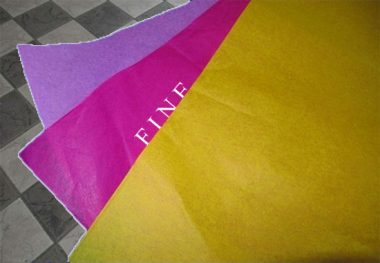
Foto di Marcello Comitini


Lascia che ti dica una cosa, disse la vecchia.
Eravamo sedute, una di fronte all’altra,
nel parco di . . . , città famosa per i suoi giocattoli in legno.

A quel tempo, ero scappata da una triste storia d’amore,
e come una sorta di penitenza o auto-punizione, lavoravo
in una fabbrica, scolpendo a mano minuscoli mani e piedi.

Il parco era la mia consolazione, soprattutto nelle ore tranquille
dopo il tramonto, spesso quando era solitario.
Ma questa sera,
quando sono entrata in quello che si chiamava il Giardino della Contessa,
ho visto che qualcuno mi aveva preceduto. Adesso che ci rifletto
sarei potuta andare oltre, ma avevo
programmato questa destinazione; tutto il giorno avevo pensato ai ciliegi
che furono piantati nella radura, il cui tempo di fioritura era quasi finito.

Ci siamo seduti in silenzio. Il crepuscolo stava calando
e con esso è arrivata una sensazione di chiuso
come nella cabina di un treno.

Quando ero giovane, ha detto,
mi piaceva camminare sul sentiero del giardino al crepuscolo
e se il sentiero era abbastanza lungo avrei visto sorgere la luna.
Questo è stato per me il grande piacere: non il sesso, non il cibo,
non il divertimento mondano.
Preferivo il sorgere della luna e a volte sentivo
nello stesso momento, le note sublimi dell’ensemble finale
delle Nozze di Figaro. Da dove viene la musica?
Non l’ho mai saputo.

Perché è questa la natura dei sentieri del giardino
d’essere circolare, ogni notte, dopo i miei vagabondaggi,
mi ritrovavo davanti alla mia porta di casa a fissarla
a malapena in grado di distinguere, nell’oscurità, la maniglia scintillante.

È stata, ha detto, una grande scoperta, anche se la mia vita reale.

Ma certe notti, ha detto, la luna era appena visibile attraverso le nuvole
e la musica non iniziava mai. Una notte di puro scoraggiamento.
E ancora la notte successiva ci riprovavo, e spesso tutto andava bene.

Non riuscivo a pensare a niente da dire. Questa storia,
così inutile mentre la scrivo,
veniva infatti interrotta a ogni fase con pause simili a trance
e intervalli prolungati, così che a questo punto la notte era iniziata.

Ah la notte capiente, la notte così desiderosa
di suscitare strane percezioni. Ho sentito
che un segreto importante
stava per essere affidato a me, come una torcia che passa
da una mano all’altra in una staffetta.

Le mie sincere scuse, ha detto.
Ti avevo scambiato per uno dei miei amici.
E indicò le statue tra le quali sedevamo,
uomini eroici, donne sante che si sacrificano
tenendo i bambini di granito al seno.
Non modificabili, ha detto, come gli esseri umani.

Ho rinunciato a loro, ha detto.
Ma non ho mai perso il mio gusto per i viaggi circolari.
Correggimi se sbaglio.

Sopra le nostre teste erano iniziati i fiori di ciliegio
a sciogliersi nel cielo notturno, o forse stelle che andavano alla deriva,
andando alla deriva e cadendo a pezzi, e dove atterrati
si sarebbero formati nuovi mondi.

Subito dopo sono tornata nella mia città natale
e mi sono ricongiunta al mio ex amante.
Eppure sempre più spesso la mia mente tornava a quanto accaduto,
studiandolo da tutte le prospettive, ogni anno più intensamente convinta,
nonostante l’assenza di prove, che contenesse qualche segreto.
Alla fine ho concluso che qualunque messaggio potesse esserci
non era contenuto nel discorso – così,
me ne resi conto, mi parlava mia madre,
toni aspri, silenzi che mi mettono in guardia e mi rimproverano –

e mi sembrava non solo di essere tornata dal mio amante
ma di tornare ora al Giardino della Contessa
dove i ciliegi stavano ancora fiorendo
come un pellegrino in cerca di espiazione e perdono,

quindi ho pensato che a un certo punto ci sarebbe stata
una porta con un pomello scintillante,
ma quando sarebbe successo e dove non avevo idea.

Louise Glück

(TRADUZIONE DI MARCELLO COMITINI)
ALTRE POESIE DI LOUISE GLÜCK TRADOTTE DA MARCELLO COMITINI

∗∗∗

A sharply worded silence

Let me tell you something, said the old woman.
We were sitting, facing each other,
in the park at ____, a city famous for its wooden toys.

At the time, I had run away from a sad love affair,
and as a kind of penance or self-punishment, I was working
at a factory, carving by hand the tiny hands and feet.

The park was my consolation, particularly in the quiet hours
after sunset, when it was often abandoned.
But on this evening, when I entered what was called the Contessa’s Garden,
I saw that someone had preceded me. It strikes me now
I could have gone ahead, but I had been
set on this destination; all day I had been thinking of the cherry trees
with which the glade was planted, whose time of blossoming had nearly ended.

We sat in silence. Dusk was falling,
and with it came a feeling of enclosure
as in a train cabin.
When I was young, she said, I liked walking the garden path at twilight
and if the path was long enough I would see the moon rise.
That was for me the great pleasure: not sex, not food, not worldly amusement.
I preferred the moon’s rising, and sometimes I would hear,
at the same moment, the sublime notes of the final ensemble
of The Marriage of Figaro. Where did the music come from?
I never knew.

Because it is the nature of garden paths
to be circular, each night, after my wanderings,
I would find myself at my front door, staring at it,
barely able to make out, in darkness, the glittering knob.

It was, she said, a great discovery, albeit my real life.

But certain nights, she said, the moon was barely visible through the clouds
and the music never started. A night of pure discouragement.
And still the next night I would begin again, and often all would be well.

I could think of nothing to say. This story, so pointless as I write it out,
was in fact interrupted at every stage with trance-like pauses
and prolonged intermissions, so that by this time night had started.

Ah the capacious night, the night
so eager to accommodate strange perceptions. I felt that some important secret
was about to be entrusted to me, as a torch is passed
from one hand to another in a relay.

My sincere apologies, she said.
I had mistaken you for one of my friends.
And she gestured toward the statues we sat among,
heroic men, self-sacrificing saintly women
holding granite babies to their breasts.
Not changeable, she said, like human beings.

I gave up on them, she said.
But I never lost my taste for circular voyages.
Correct me if I’m wrong.

Above our heads, the cherry blossoms had begun
to loosen in the night sky, or maybe the stars were drifting,
drifting and falling apart, and where they landed
new worlds would form.

Soon afterward I returned to my native city
and was reunited with my former lover.
And yet increasingly my mind returned to this incident,
studying it from all perspectives, each year more intensely convinced,
despite the absence of evidence, that it contained some secret.
I concluded finally that whatever message there might have been
was not contained in speech—so, I realized, my mother used to speak to me,
her sharply worded silences cautioning me and chastising me—
and it seemed to me I had not only returned to my lover
but was now returning to the Contessa’s Garden
in which the cherry trees were still blooming
like a pilgrim seeking expiation and forgiveness,

so I assumed there would be, at some point,
a door with a glittering knob,
but when this would happen and where I had no idea.

Louise Glück

da “Faithful and Virtuous Night”, Farrar, Straus and Giroux, 2014