La fine – Mark Strand

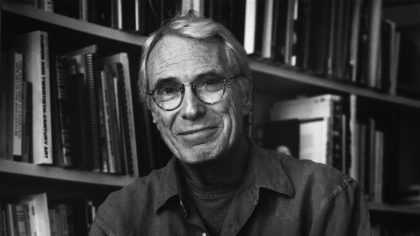
Mark Strand, photo di Chris Felver


Non ogni uomo sa cosa canterà alla fine,
guardando il molo mentre la nave salpa, o cosa sentirà
quando sarà preso dal rombo del mare, immobile, là alla fine,
o cosa spererà una volta capito che non tornerà più.

Quando è passato il tempo di potare la rosa, coccolare il gatto,
quando il tramonto che infiamma il prato e la luna piena che lo gela
non compariranno più, non ogni uomo sa cosa scoprirà al loro posto.
Quando il peso del passato non si appoggia a nulla, e il cielo

non è più che luce ricordata, e le storie di cirro
e cumulo giungono alla fine, e tutti gli uccelli stanno sospesi in volo,
non ogni uomo sa cosa lo attende, o cosa canterà
quando la nave su cui si trova scivola nel buio, là alla fine.

Mark Strand

(Traduzione di Damiano Abeni)

da “La vita ininterrotta”, 1990,  in “Mark Strand, Tutte le poesie”, Mondadori, 2019

***

The end

Not every man knows what he shall sing at the end,
Watching the pier as the ship sails away, or what it will seem like
When he’s held by the sea’s roar, motionless, there at the end,
Or what he shall hope for once it is clear that he’ll never go back.

When the time has passed to prune the rose or caress the cat,
When the sunset torching the lawn and the full moon icing it down
No longer appear, not every man knows what he’ll discover instead.
When the weight of the past leans against nothing, and the sky

Is no more than remembered light, and the stories of cirrus
And cumulus come to a close, and all the birds are suspended in flight,
Not every man knows what is waiting for him, or what he shall sing
When the ship he is on slips into darkness, there at the end.

Mark Strand

da “The continuous life”, Alfred A. Knopf, New York, 1990

Hotel Insonnia – Charles Simic

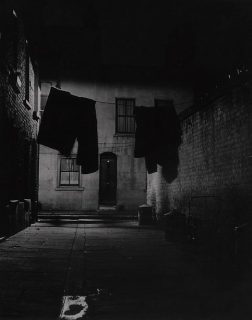
Foto di Bill Brandt


Mi piaceva quel mio piccolo buco
con la finestra che dava su un muro di mattoni.
Nella stanza vicina c’era un piano.
Un vecchio storpio veniva a suonare
My Blue Heaven
due tre sere al mese.

In genere, però, era tranquillo.
Ogni camera con il suo ragno dal soprabito pesante
che cattura la mosca nella rete
fatta di fumo e cerimonie.
Era così buio laggiù
che non riuscivo a vedermi nello specchio del lavabo.

Di sopra, alle 5 del mattino, scalpiccìo di piedi nudi.
Lo « Zingaro » che legge la fortuna
(ha il negozio all’angolo)
va a pisciare dopo una notte d’amore.
Una volta, persino il singhiozzo di un bambino.
Era così vicino che per un attimo
pensai di singhiozzare io.

Charles Simic

(Traduzione di Andrea Molesini)

da “Hotel Insonnia”, Adelphi, 2002

∗∗∗

Hotel Insomnia

I liked my little hole,
Its window facing a brick wall.
Next door there was a piano.
A few evenings a month
A crippled old man came to play
« My Blue Heaven ».

Mostly, though, it was quiet.
Each room with its spider in heavy overcoat
Catching his fly with a web
Of cigarette smoke and revery.
So dark,
I could not see my face in the shaving mirror.

At 5 A.M. the sound of bare feet upstairs.
The « Gypsy » fortuneteller,
Whose storefront is on the corner,
Going to pee after a night of love.
Once, too, the sound of a child sobbing.
So near it was, I thought
For a moment, I was sobbing myself.

Charles Simic

da “Hotel Insomnia”, Harcourt Brace Jovanovich, 1992

Per questo – Adrienne Rich

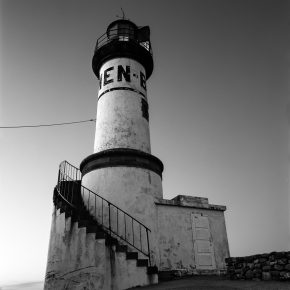
Gérard Laurenceau, Ile de Sein, 2009


Se ho teso la mano ai tuoi versi    (l’ho fatto)
     come a lettere dei morti che ridestano l’animo
da rabdomante cercato la tua fonte
     per abbeverare la mia sete
scavato nel mio concime scheletri e petali
     che per te dovevano riflettere la luce:

– al lavoro nel mio sotterraneo mangiato dai vermi
     roso dai tarli senza patria
         ho una scusa?

Se ho sfiorato il tuo dito
     con lingua affamata
         leccato dal tuo palmo una crepa di sale
se ti ho sognato o pensato
     sacca di sangue    appena estratto
           appeso rossoscuro a un gancio
piú in alto del mio cuore
      (tu che comprendi la trasfusione)
           a cos’altro dovrei rivolgermi?

Una luce-spia brilla fioca
     mentre i fuochi del gas dormono
          (un gatto esce in punta di zampa dai fornelli
al gelo notturno)
     il linguaggio raro e agile come la verità
          scioglie il silenzio piú radicale

L’etica del custode di un faro:
     cura di tutti o di nessuno
         per questo si può pure dare fuoco ai mobili
Un questo contro cui abbiamo sbattuto
     come se la luce potesse essere spenta a estro
          il salvataggio negato ad alcuni

e rimanere un faro

Adrienne Rich

1999

(Traduzione di Maria Luisa Vezzali)

da “La guida nel labirinto”, Crocetti Editore, 2011

∗∗∗

For This

If I’ve reached for your lines (I have)
    like letters from the dead that stir the nerves
       dowsed you for a springhead
to water my thirst
    dug into my compost skeletons and petals
       you surely meant to catch the light:

—at work in my wormeaten wormwood-raftered
    stateless underground
       have I a plea?

If I’ve touched your finger
    with a ravenous tongue
       licked from your palm a rift of salt
if I’ve dreamt or thought you
    a pack of blood fresh-drawn
       hanging darkred from a hook
higher than my heart
    (you who understand transfusion)
       where else should I appeal?

A pilot light lies low
    while the gas jets sleep
       (a cat getting toed from stove
into nocturnal ice)
    language uncommon and agile as truth
       melts down the most intractable silence

A lighthouse keeper’s ethics:
    you tend for all or none
       for this you might set your furniture on fire
A this we have blundered over
    as if the lamp could be shut off at will
       rescue denied for some

and still a lighthouse be

Adrienne Rich

1999

da “Fox: Poems 1998 – 2000 by Adrienne Rich”, WW. Norton & Company, 2003

Cartografie del silenzio – Adrienne Rich

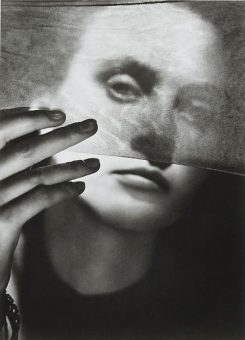
Wolfgang Sievers, Berlin, 1938

1.

Una conversazione inizia
con una menzogna. E chiunque

parli la cosiddetta lingua comune avverte
lo spaccarsi dell’iceberg, la deriva

come impotente, come contro
una forza della natura

Una poesia può iniziare
con una menzogna. Ed essere strappata.

Una conversazione segue altre leggi
si ricarica con la propria

falsa energia. Non può essere
strappata. Ci si infiltra nel sangue. Si ripete.

Con la sua punta irreversibile incide
l’isolamento che nega.

2.

Il programma di musica classica
che per ore e ore risuona nell’appartamento

il sollevare e risollevare
e sollevare ancora il telefono

le sillabe che scandiscono
ora e sempre il vecchio soggetto

la solitudine del bugiardo
che abita la rete convenzionale della bugia

gira i comandi per affogare il terrore
sotto la parola non detta

3.

La tecnologia del silenzio
I rituali, il bon ton

la confusione di termini
silenzio non assenza

di parole o musica o persino
suoni grezzi

II silenzio può essere un piano
rigorosamente eseguito

la cianografia di una vita

È una presenza
ha una storia         una forma

Non confonderlo
con alcun tipo di assenza

4.

Quanto calme, quanto inoffensive queste parole
cominciano a sembrarmi

se pure iniziate in dolore e rabbia
Posso sfondare questa pellicola di astrazione

senza ferire me o te?
Qui c’è abbastanza sofferenza

È per questo che suona la stazione classica o jazz?
Per dare una base di senso alla nostra sofferenza?

5.

Il silenzio che denuda:
nella Passione di Giovanna d’Arco di Dreyer

la faccia di Falconetti, capelli tosati, una vasta geografia
silenziosamente percorsa dalla cinepresa

Se esistesse una poesia in cui ciò potesse accadere
e non come spazi bianchi o parole

stese come una pelle sui significati
ma come il silenzio che viene alla fine

di una notte che due persone hanno passato
parlando fino all’alba

6.

L’urlo
di una voce illegittima

Ha smesso di sentirsi, e quindi
si chiede

Come riesco a esistere?

Questo era il silenzio che volevo rompere in te
con domande, ma non avresti risposto

con risposte, ma non le avresti utilizzate
Tutto vano per te e forse per altri

7.

Era un vecchio tema anche per me:
Il linguaggio non è onnipotente –

disegnalo sui muri dove
i poeti morti riposano nei loro mausolei

Se a un cenno del poeta la poesia
potesse trasformarsi in una cosa

un fianco di granito messo a nudo, una testa alzata
accesa di rugiada

Se potesse semplicemente guardarti in faccia
con le cornee nude, inchiodandoti

fino a quando tu – e io che sogno questa cosa –
fossimo finalmente fatti luce insieme nel suo sguardo

8.

No. Lasciami questa polvere,
queste nubi esangui cupamente sospese, queste parole

che si muovono con la feroce precisione
delle dita del bambino cieco

o della bocca dell’infante
violenta per la fame

Nessuno può darmelo, già da tempo
ho assunto questo metodo

della crusca fuoriuscita dalla trama del sacco troppo larga
o della fiamma blu del gas al minimo

Se di tanto in tanto invidio
le pure epifanie allo sguardo

la visio beatifica
se di tanto in tanto sogno di voltarmi

come lo ierofante eleusino
con la sua semplice spiga di grano

per tornare al mondo concreto e immortale
quello che in fondo continuo a scegliere

sono queste parole, questi sussurri, conversazioni
da cui di tanto in tanto la verità erompe umida e verde.

Adrienne Rich

1975

(Traduzione di Maria Luisa Vezzali)

da “Il sogno di un linguaggio comune”, in “Cartografie del silenzio”, Crocetti Editore, 2000

“Dreyer”. Il regista danese, autore di La passione di Giovanna d’Arco (1928), con Renée Falconetti (1893-1946) nella parte della santa.

∗∗∗

Cartographies of Silence

1.

A conversation begins
with a lie. And each

speaker of the so-called common language feels
the ice-floe split, the drift apart

as if powerless, as if up against
a force of nature

A poem can begin
with a lie. And be torn up.

A conversation has other laws
recharges itself with its own

false energy. Cannot be torn
up. Infiltrates our blood. Repeats itself.

Inscribes with its unreturning stylus
the isolation it denies.

2.

The classical music station
playing hour upon hour in the apartment

the picking up and picking up
and again picking up the telephone

The syllables uttering
the old script over and over

The loneliness of the liar
living in the formal network of the lie

twisting the dials to drown the terror
beneath the unsaid word

3.

The technology of silence
The rituals, etiquette

the blurring of terms
silence not absence

of words or music or even
raw sounds

Silence can be a plan
rigorously executed

the blueprint to a life

It is a presence
it has a history        a form

Do not confuse it
with any kind of absence

4.

How calm, how inoffensive these words
begin to seem to me

though begun in grief and anger
Can I break through this film of the abstract

without wounding myself or you
there is enough pain here

This is why the classical or the jazz music station plays?
to give a ground of meaning to our pain?

5.

The silence that strips bare:
In Dreyer’s Passion of Joan

Falconetti’s face, hair shorn, a great geography
mutely surveyed by the camera

If there were a poetry where this could happen
not as blank spaces or as words

stretched like a skin over meanings
but as silence falls at the end

of a night through which two people
have talked till dawn

6.

The scream
of an illegitimate voice

It has ceased to hear itself, therefore
it asks itself

How do I exist?

This was the silence I wanted to break in you
I had questions but you would not answer

I had answers but you could not use them
This is useless to you and perhaps to others

7.

It was an old theme even for me:
Language cannot do everything—

chalk it on the walls where the dead poets
lie in their mausoleums

If at the will of the poet the poem
could turn into a thing

a granite flank laid bare, a lifted head
alight with dew

If it could simply look you in the face
with naked eyeballs, not letting you turn

till you, and I who long to make this thing,
were finally clarified together in its stare

8.

No. Let me have this dust,
these pale clouds dourly lingering, these words

moving with ferocious accuracy
like the blind child’s fingers

or the newborn infant’s mouth
violent with hunger

No one can give me, I have long ago
taken this method

whether of bran pouring from the loose-woven sack
or of the bunsen-flame turned low and blue

If from time to time I envy
the pure annunciations to the eye

the visio beatifica
if from time to time I long to turn

like the Eleusinian hierophant
holding up a simple ear of grain

for return to the concrete and everlasting world
what in fact I keep choosing

are these words, these whispers, conversations
from which time after time the truth breaks moist and green.

Adrienne Rich

1975

da “The Dream of a Common Language”, 1974-1977, W. W. Norton & Co, 1978
La collina – Mark Strand


Sono arrivato fin qui con le mie gambe,
perso l’autobus, persi i taxi,
sempre in salita. Un piede avanti all’altro,
è così che faccio.

Non mi inquieta, la collina di cui non vedo fine.
Erba sul ciglio della strada, un albero che fa risuonare
le foglie nere. E allora?
Più cammino, più mi allontano da tutto.

Un piede avanti all’altro. Passano le ore.
Un piede avanti all’altro. Passano gli anni.
I colori dell’arrivo sbiadiscono.
È così che faccio.

Mark Strand

(Traduzione di Damiano Abeni)

da “Il futuro non è più quello di una volta”, minimum fax, Roma, 2006

∗∗∗

The hill

I have come this far on my own legs,
missing the bus, missing taxis,
climbing always. One foot in front of the other,
that is the way I do it.

It does not bother me, the way the hill goes on.
Grass beside the road, a tree rattling
its black leaves. So what?
The longer I walk, the farther I am from everything.

One foot in front of the other. The hours pass.
One foot in front of the other. The years pass.
The colors of arrival fade.
That is the way I do it.

Mark Strand

da “Darker: poems”, Atheneum, 1970