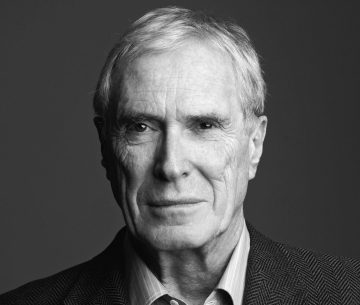
Poesia – Mark Strand


Si intrufola dalla porta di servizio,
di soppiatto oltrepassa la cucina,
il salotto, l’ingresso,
sale le scale ed entra
in camera. Si china
sul mio letto e dice che è venuto
a uccidermi. Il lavoro
lo svolgerà a stadi.

Prima verranno spuntate 
le unghie, poi le dita
dei piedi eccetera fino a che
nulla resti di me.
Stacca un minuscolo attrezzo
dal portachiavi, e attacca.
Sento Il lago dei cigni dallo stereo
di un vicino e canticchio.

Quanto tempo trascorra,
non so dire. Ma quando torno in me
lo sento dire che è arrivato al collo
e che non è in grado di continuare
perché è stanco. Gli dico
che ha fatto abbastanza,
che dovrebbe rincasare, riposare.
Mi ringrazia e se ne va.

Resto sempre stupefatto
come si accontenta facilmente
certa gente.

Mark Strand

(Traduzione di Damiano Abeni)

da “Dormendo con un occhio aperto”, 1964, in “Il futuro non è più quello di una volta”, minimum fax, Roma, 2006

∗∗∗

Poem

He sneaks in the back door,
tiptoes through the kitchen,
the living room, the hall,
climbs the stairs, and enters
the bedroom. He leans
over my bed and says he has come
to kill me. The job
will be done in stages.

First, my toenails
will be clipped, then my toes,
and so on until
nothing is left of me.
He takes a small instrument
from his keychain and begins.
I hear Swan Lake being played
on a neighbor’s hi-fi and start to hum.

How much time passes,
I cannot tell. But when I come to
I hear him say he has reached my neck
and will not be able to continue
because he is tired. I tell him
that he has done enough,
that he should go home and rest.
He thanks me and leaves.

It shall never cease to amaze me
how easily satisfied
some people are.

Mark Strand

da “Sleeping with One Eye Open” (1964), in “Collected Poems”, New York, Alfred A. Knopf/ Random House, 2014

Come è – Mark Strand

Foto di Timothy Greenfield

Il mondo è orribile
E la gente è triste.
Wallace Stevens
         

Sto a letto.
Mi rigiro tutta notte
nel freddo indisturbato abisso
delle lenzuola senza dormire.

Il mio vicino cammina per la sua stanza,
indossa la maschera
lucente di un falco dal grande becco.
Sta alla finestra. Una piuma viola

sale dalla sommità del suo elmo.
La luce della luna
si versa come latte su di lui e il vento sciacqua le bianche
coppe vitree dei suoi occhi.

Con l’elmo in un sacchetto della spesa
siede nel parco, sventola una bandierina americana.
Non lo si sente quando si sposta
dietro alle siepi e alle piante,

sempre sui confini consunti
del paese, e punta una pistola a qualcuno come me. Mi accuccio
sotto il tavolo della cucina, e mi dico
sono un cane, chi ucciderebbe mai un cane?

La moglie del vicino torna a casa.
Entra in salotto,
si spoglia, la chioma le ricade sulla schiena.
Pare che lei guadi

lunghi fiumi placidi d’ombra.
Ha le piante dei piedi nere.
Bacia il marito sul collo
e gli infila le mani nei calzoni.

I miei vicini ballano.
Rotolano sul pavimento, lui le mette la lingua
nell’orecchio, i suoi polmoni
esalano il fetore della broda e del clima dell’inferno.

Per strada c’è gente che si sdraia
ginocchia all’aria, con occhi
colmi di lacrime, ceneri
che penetrano nelle orecchie.

I vestiti gli vengono strappati
di dosso. Hanno le facce estenuate.
Cavalieri gli galoppano intorno, spiegando perché
dovrebbero morire.

La moglie del vicino mi chiama, la bocca schiacciata
contro il muro alle spalle del mio letto.
Dice: «Mio marito è morto».
Io mi giro sul fianco,

sperando che non abbia mentito.
Le pareti e il soffitto di camera mia sono grigi −
il colore della luna visto dalle finestre di un lavasecco.
Chiudo gli occhi.

Mi vedo a galla
sul mar morto del mio letto, risucchiato via,
e chiedo aiuto, ma l’urlo vago
mi si strozza in gola.

Mi vedo nel parco
a cavallo, circondato dal buio,
che conduco gli eserciti di pace.
Le zampe di ferro del cavallo non si flettono.

Lascio le redini. Dove finiranno i disordini?
Flotte di taxi si fermano
nella nebbia, i passeggeri
si addormentano. Della benzina cola

da un tubo di scappamento tricolore.
Chiudendo a chiave le porte,
le persone che escono dagli uffici si stringono l’un l’altra,
raccontando sempre daccapo la stessa storia.

Tutti quelli che si sono venduti vogliono ricomprarsi.
Non si fa nulla. La sera
consuma le loro membra
come una carestia.

Tutto si offusca.
Il futuro non è più quello di una volta.
Le tombe sono pronte. I morti
erediteranno i morti.

Mark Strand

(Traduzione di Damiano Abeni)

da “Il futuro non è più quello di una volta”, minimum fax, Roma, 2006

∗∗∗

The Way It Is 

The world is ugly
And the people are sad.
Wallace Stevens

I lie in bed.
I toss all night
in the cold unruffled deep
of my sheets and cannot sleep.

My neighbor marches in his room,
wearing the sleek
mask of a hawk with a large beak.
He stands by the window. A violet plume

rises from his helmet’s dome.
The moon’s light
spills over him like milk and the wind rinses the white
glass bowls of his eyes.

His helmet in a shopping bag,
he sits in the park, waving a small American flag.
He cannot be heard as he moves
behind trees and hedges,

always at the frayed edges
of town, pulling a gun on someone like me. I crouch
under the kitchen table, telling myself
I am a dog, who would kill a dog?

My neighbor’s wife comes home.
She walks into the living room,
takes off her clothes, her hair falls down her back.
She seems to wade

through long flat rivers of shade.
The soles of her feet are black.
She kisses her husband’s neck
and puts her hands inside his pants.

My neighbors dance.
They roll on the floor, his tongue
is in her ear, his lungs
reek with the swill and weather of hell.

Out on the street people are lying down
with their knees in the air, tears
fill their eyes, ashes
cover their ears.

Their clothes are torn
from their backs. Their faces are worn.
Horsemen are riding around them, telling them why
they should die.

My neighbor’s wife calls to me, her mouth is pressed
against the wall behind my bed.
She says, «My husband’s dead.»
I turn over on my side,

hoping she has not lied.
The walls and ceiling of my room are gray —
the moon’s color through the windows of a laundromat.
I close my eyes.

I see myself float
on the dead sea of my bed, falling away,
calling for help, but the vague scream
sticks in my throat.

I see myself in the park
on horseback, surrounded by dark,
leading the armies of peace.
The iron legs of the horse do not bend.

I drop the reins. Where will the turmoil end?
Fleets of taxis stall
in the fog, passengers fall
asleep. Gas pours

from a tricolored stack.
Locking their doors,
people from offices huddle together,
telling the same story over and over.

Everyone who has sold himself wants to buy himself back.
Nothing is done. The night
eats into their limbs
like a blight.

Everything dims.
The future is not what it used to be.
The graves are ready. The dead
shall inherit the dead.

Mark Strand

da “Darker: poems”, Atheneum, 1970
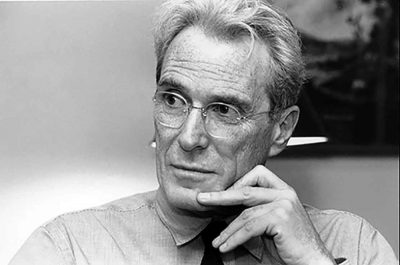
Povero nord – Mark Strand

Foto di Paul Himmel


Fa freddo, la neve è alta,
il vento sbatte nella sua gabbia di piante,
le nuvole paiono stracci sozzi e laceri per l’uso,
e gli storni becchettano il ghiaccio.
È il nord, povero nord. Niente va bene.

Il capofamiglia è andato al lavoro,
vende sedie e sofà in un negozio che sta per fallire.
La moglie sta a casa e fissa dalla finestra le piante,
cerca di ricordare la vita che ha perso, anche se non era un granché.
Fiori bianchi di brina sbocciano sul vetro.

È quasi sera. Anatre e oche canadesi dormono
sulle acque della baia di Saint Margaret.
Marito e moglie passeggiano: guardate come si piegano
controvento; alzano il bavero
e i minuscoli sbuffi del loro respiro volano via.

Mark Strand

(Traduzione di Damiano Abeni)

da “Il futuro non è più quello di una volta”, minimum fax, Roma, 2006

∗∗∗

Poor North

It is cold, the snow is deep,
the wind beats around in its cage of trees,
clouds have the look of rags torn and soiled with use,
and starlings peck at the ice.
It is north, poor north. Nothing goes right.

The man of the house has gone to work,
selling chairs and sofas in a failing store.
His wife stays home and stares from the window into the trees,
trying to recall the life she lost, though it wasn’t much.
White flowers of frost build up on the glass.

It is late in the day. Brants and Canada geese are asleep
on the waters of St. Margaret’s Bay.
The man and his wife are out for a walk; see how they lean
into the wind; they turn up their collars
and the small puffs of their breath are carried away.

Mark Strand

da The Late Hour”, Atheneum, 1978

Il nuovo manuale di poesia – Mark Strand

Foto di Timothy Greenfield

per Greg Orr e Greg Simon 

  1    Se un uomo capisce una poesia,
                  avrà dei problemi.

  2    Se un uomo vive insieme a una poesia,
                  morirà solo.

  3    Se un uomo vive insieme a due poesie,
                  ne tradirà una.

  4     Se un uomo concepisce una poesia,
                  avrà un figlio in meno.

 5   Se un uomo concepisce due poesie,
                 avrà due figli in meno.

 6   Se un uomo si mette in testa una corona quando scrive,
                verrà smascherato.

7   Se un uomo non si mette in testa una corona quando scrive,
               non ingannerà nessuno tranne se stesso.

8    Se un uomo si arrabbia con una poesia,
                verrà deriso dagli uomini.

 9    Se un uomo persiste nell’arrabbiarsi con una poesia,
                 verrà deriso dalle donne.

10    Se un uomo condanna pubblicamente la poesia,
                  le scarpe gli si riempiranno di urina.

11    Se un uomo rinuncia alla poesia per il potere,
                 avrà molto potere.

12    Se un uomo si vanta delle sue poesie,
                  verrà amato dai cretini.

13    Se un uomo si vanta delle sue poesie e ama i cretini,
                  non scriverà più.

14  Se un uomo nega piacere alle proprie poesie,
                 la sua arguzia porterà gli stivali.

15    Se un uomo desidera con ardore che le sue poesie ricevano attenzione 
                  sarà come un somaro al chiaro di luna.

16    Se un uomo scrive una poesia e loda una poesia di un collega,
                   avrà un’amante bellissima.

17    Se un uomo scrive una poesia e loda all’eccesso una poesia di un collega,
                   allontanerà da sé l’amante.

18   Se un uomo rivendica la poesia di un altro,
                 il suo cuore diverrà grande il doppio.

19    Se un uomo lascia che le sue poesie vadano in giro nude
                  avrà paura della morte.

20    Se un uomo ha paura della morte,
                 verrà salvato dalle sue poesie.

21   Se un uomo non ha paura della morte,
                 le sue poesie forse lo salveranno forse no.

22    Se un uomo finisce una poesia,
                 si immergerà nella scia bianca della propria passione
                 e verrà baciato dalla pagina bianca.

Mark Strand

(Traduzione di Damiano Abeni con Moira Egan)

da “Più buio”, (Rinunciare a me stesso), in “Mark Strand, Tutte le poesie”, Mondadori, 2019

∗∗∗

THE NEW POETRY HANDBOOK
for Greg Orr and Greg Simon

1     If a man understands a poem,
               he shall have troubles.
 

   If a man lives with a poem,
               he shall die lonely.

3    If a man lives with two poems,
               he shall be unfaithful to one.

   If a man conceives of a poem,
               he shall have one less child.

5    If a man conceives of two poems,
               he shall have two children less.

6    If a man wears a crown on his head as he writes,
               he shall be found out.

7    If a man wears no crown on his head as he writes,
               he shall deceive no one but himself.

   If a man gets angry at a poem,
               he shall be scorned by men.

9    If a man continues to be angry at a poem,
               he shall be scorned by women.

10    If a man publicly denounces poetry,
               his shoes will fill with urine.

11    If a man gives up poetry for power,
               he shall have lots of power.

12    If a man brags about his poems,
               he shall be loved by fools.

13    If a man brags about his poems and loves fools,
               he shall write no more.

14    If a man denies his poems pleasure,
               his wit shall wear boots.

15    If a man craves attention because of his poems,
               he shall be like a jackass in moonlight.

16    If a man writes a poem and praises the poem of a fellow,
               he shall have a beautiful mistress.

17    If a man writes a poem and praises the poem of a fellow overly,
               he shall drive his mistress away.

18    If a man claims the poem of another,
               his heart shall double in size.

19    If a man lets his poems go naked,
               he shall fear death.

20    If a man fears death,
               he shall be saved by his poems.

21    If a man does not fear death,
               he may or may not be saved by his poems.

22    If a man finishes a poem,
               he shall bathe in the blank wake of his passion and be kissed by white                                                                                                                                 [ paper.

Mark Strand

da “Darker: poems“, (Giving Myself Up), Atheneum, 1970

Mappe nere – Mark Strand


Non la platea di pietre
né il vento che applaude
ti faranno capire
che sei arrivato,

non il mare che celebra
solo le partenze,
non le montagne,
né le città morenti.

Niente ti dirà
dove sei.
Ogni attimo è un posto
dove non sei mai stato.

Puoi camminare
e credere che emani
la luce attorno a te.
Ma come farai a saperlo?

Il presente è sempre buio.
Le sue mappe sono nere,
escono dal nulla,
descrivono,

nella loro lenta ascesa
dentro se stesse,
il proprio viaggio,
il proprio vuoto,

la fosca, sobria
necessità del completarlo.
Nel venire in essere
sono come il respiro.

E se pure le si studia
è solo per scoprire,
troppo tardi, che quelli che
ritenevi fatti tuoi

non esistono.
La tua casa non c’è
su nessuna di quelle mappe,
né ci sono gli amici,

che aspettano che ti faccia vivo,
né i tuoi nemici,
che elencano le tue mancanze.
Ci sei solo tu,

e saluti
ciò che sarai,
e l’erba nera
sostiene stelle nere.

Mark Strand

(Traduzione di Damiano Abeni)

da “Più buio”, 1970, in “L’uomo che cammina un passo avanti al buio”, Mondadori, Milano, 2011

∗∗∗

Black maps

Not the attendance of stones,
nor the applauding wind,
shall let you know
you have arrived,

nor the sea that celebrates
only departures,
nor the mountains,
nor the dying cities.

Nothing will tell you
where you are.
Each moment is a place
you’ve never been.

You can walk
believing you cast
a light around you.
But how will you know?

The present is always dark.
Its maps are black,
rising from nothing,
describing,

in their slow ascent
into themselves,
their own voyage,
its emptiness,

the bleak, temperate
necessity of its completion.
As they rise into being
they are like breath.

And if they are studied at all
it is only to find,
too late, what you thought
were concerns of yours

do not exist.
Your house is not marked
on any of them,
nor are your friends,

waiting for you to appear,
nor are your enemies,
listing your faults.
Only you are there,

saying hello
to what you will be,
and the black grass
is holding up the black stars.

Mark Strand

da “Darker: poems”, Atheneum, 1970